
No items in cart right now!
Working Hours - 8 AM To 8 PM
Working Hours - 8 AM To 8 PM
 January 24
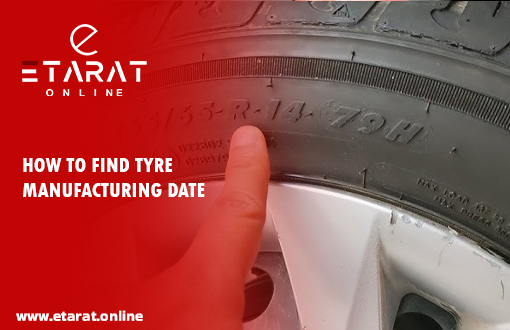
Knowing how to find tyre manufacturing date is crucial for every vehicle owner. Tyres degrade over time, and using old tyres can compromise safety, even if the tread looks fine. In this guide, we’ll show you step-by-step methods to identify your tyre’s age, explain why it matters, and answer common questions about tyre lifespan and safety. By the end, you’ll be confident in determining the tyre manufacturing date quickly and accurately.
The tyre manufacturing date determines how old a tyre is, which affects its performance, grip, and safety. Tyres are made of rubber compounds that deteriorate over time due to heat, sunlight, and environmental conditions. According to the Rubber Manufacturers Association, tyres should ideally not be used beyond six years from their production date, regardless of tread wear.
Failing to check the tyre age can result in:
Increased risk of tyre blowouts.
Poor handling and braking performance.
Reduced fuel efficiency.
Voiding warranty claims.
Every tyre has a DOT (Department of Transportation) code on its sidewall. This code provides essential information, including the tyre manufacturing date.
Look for a string of letters and numbers that starts with "DOT" on your tyre’s sidewall. For example: DOT U2LL LMLR 2319.
The last four digits indicate the tyre manufacturing date. The first two digits represent the week of the year, and the last two digits represent the year.
Example:
2319 = 23rd week of 2019.
This tyre was manufactured in late May 2019.
Some tyres may also have codes like “DOT X3Y1 1116,” where 1116 means the 11th week of 2016. Other markings can indicate the plant code, size, and compliance, but these are secondary to checking the tyre manufacturing date.
While the DOT code is the most reliable, there are additional indicators:
Check for cracks, bulges, or discoloration on the sidewall. Older tyres tend to show visible signs of aging even if the tread is intact.
Compare tyres if they have been rotated from different sets. Tyres from older sets may appear slightly faded or hardened.
Some retailers include the tyre manufacturing date on receipts or product descriptions. Keep these records for future reference.
Some tyre brands allow users to input the DOT code on their website to confirm production details. This can help validate the tyre manufacturing date when buying pre-owned tyres.
Once you know the tyre manufacturing date, you can make informed decisions about usage. Experts suggest:
0–3 years: Tyres are considered brand new and safe.
3–6 years: Tyres are safe but should be inspected annually.
6–10 years: Use with caution; replace if any signs of aging appear.
10+ years: Tyres should be replaced immediately, regardless of tread condition.
Using tyres beyond recommended age increases the risk of accidents. According to a study by the National Highway Traffic Safety Administration (NHTSA), tyre age is a significant factor in blowouts and road incidents.
Knowing the tyre manufacturing date is only the first step. Proper maintenance extends tyre life:
Regularly check tyre pressure: Underinflated or overinflated tyres wear unevenly.
Rotate tyres every 5,000–8,000 km: Promotes even wear and extends lifespan.
Avoid overloading the vehicle: Excess weight stresses tyres.
Keep tyres clean and shielded from sunlight: UV rays accelerate rubber degradation.
Inspect tyres regularly: Look for cuts, bulges, and foreign objects.
While some tyres may still appear fine, experts recommend replacing tyres older than 6 years due to rubber degradation and safety risks.
Commercial tyres follow the same DOT code system. Check the sidewall and decode the last four digits.
Yes. Most manufacturers only honor warranties for tyres within a certain age from the tyre manufacturing date, regardless of usage.
Reputable sellers always provide DOT codes or verify the tyre manufacturing date. Avoid unknown sellers selling older stock.
Check tyre age during regular inspections or before long trips. It’s especially important if buying used tyres.
In most countries, all road tyres must have a DOT code. Some specialty or imported tyres may have different standards; always confirm before purchase.
Learning how to find tyre manufacturing date is vital for safety, performance, and compliance with warranties. By reading the DOT code, checking visual cues, and consulting manufacturers, you can ensure your tyres are safe and reliable. Always remember that even a tyre with deep tread can be dangerous if it’s old. Safety begins with awareness—start by checking your tyre manufacturing date today.
leave a comment