
No items in cart right now!
Working Hours - 8 AM To 8 PM
Working Hours - 8 AM To 8 PM
 December 29
Car batteries are one of the most important parts of any vehicle. Without a healthy battery, your car will not start. It also cannot support modern electronic systems. Many drivers face battery drainage issues without warning. One day, the car works perfectly. The next day, it refuses to start. This problem can be frustrating and stressful. Especially when it happens unexpectedly. Understanding why Car Batteries drain is the first step to preventing the issue. Battery drainage does not always mean the battery is faulty. Often, simple habits or small problems are the real cause. This guide explains the most common reasons for battery drain. It also shows practical solutions to fix and prevent the problem. Everything is explained in clear and simple language.
Before understanding battery drain, it helps to know how a battery works. A car battery stores electrical energy. This energy powers the starter motor, lights, and electronics. When the engine is running, the battery recharges. This happens through the charging system. When the engine is off, the battery still supplies power to some systems. Modern vehicles use more electricity than older models. Screens, sensors, and security systems consume power constantly.
This makes Car Batteries more vulnerable to drainage.
Battery drainage can happen for many reasons. Some are obvious. Others are easy to miss.
This is one of the most common causes. Headlights, interior lights, or trunk lights may stay on. Even small lights consume power. Over several hours, they can drain the battery completely. Charging ports and accessories also use power. Leaving devices plugged in overnight can cause issues. Always double-check lights before leaving the vehicle.
Parasitic drain occurs when a system keeps using power after the car is off. This drain is usually small but constant.
Common causes include:
Faulty sensors
Alarm systems
Infotainment units
Power seats or windows
Over time, this continuous drain weakens Car Batteries. The vehicle may fail to start after sitting unused.
Car batteries need time to recharge fully. Short trips do not provide enough charging time.
Frequent short drives prevent the battery from recovering. This leads to gradual energy loss.
Vehicles parked for long periods also face this issue. Batteries slowly discharge even when unused. Regular driving helps maintain battery health.
Heat and cold both affect battery performance. High temperatures cause battery fluid to evaporate faster. This reduces internal efficiency. Cold weather slows chemical reactions inside the battery. In hot climates, Car Batteries age faster. This leads to reduced capacity and shorter lifespan.
Car batteries do not last forever. Most batteries have a limited lifespan. Over time, internal components degrade. This reduces the battery’s ability to hold a charge. An aging battery drains faster than a new one. Even normal usage can cause failure. Replacing old batteries on time prevents sudden breakdowns.
The charging system keeps the battery alive. If it fails, the battery cannot recharge properly.
Signs of charging issues include:
Dimming headlights
Warning lights on dashboard
Frequent battery drain
Without proper charging, Car Batteries weaken quickly.
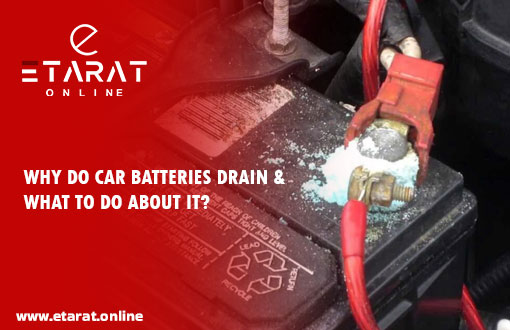
Connections play a crucial role in power flow. Loose terminals interrupt charging and power delivery. Corrosion increases resistance. This reduces battery efficiency. Even a healthy battery may appear dead due to poor connections. Regular inspection helps prevent this issue.
Battery problems often show early signs. Recognizing them can save time and money.
Common warning signs include:
Slow engine crank
Flickering lights
Electrical malfunctions
Clicking sound when starting
Ignoring these signs leads to complete battery failure. Timely action keeps Car Batteries reliable.
Battery drainage does not always mean replacement. Many issues can be fixed with simple steps.
Ensure all lights and devices are off. Check interior lights and charging ports. Small habits make a big difference.
Short trips weaken batteries. Longer drives allow full recharging. Try to drive at least once a week. This helps maintain battery charge.
Check for corrosion or loose connections. Clean terminals if needed. Secure connections improve power flow.
Battery testing reveals health status. Weak batteries should be replaced early. Testing prevents sudden failures.
Avoid running electronics when the engine is off. This reduces unnecessary drain. Efficient usage protects Car Batteries.
Driving style impacts battery performance. Frequent engine starts consume power. Heavy use of electronics adds extra load. Over time, this weakens the battery. Balanced driving habits improve longevity. They also support overall vehicle health.
Good maintenance extends battery lifespan. It also reduces the risk of sudden drainage.
Dirt and corrosion affect performance. Clean terminals regularly.
Too many accessories increase power demand. Use only essential devices.
Extreme heat damages batteries faster. Whenever possible, park in shaded areas.
Simple care keeps Car Batteries working efficiently.
Modern vehicles rely heavily on electronics. Battery failure affects many systems. Power steering, braking assistance, and sensors depend on electricity. A weak battery compromises safety. Battery health indirectly supports other vehicle components. Even systems related to TYRE ONLINE monitoring depend on battery power. This makes battery care essential, not optional.
Replacement becomes necessary when:
The battery cannot hold a charge
Frequent jump-starts are needed
Battery age exceeds recommended lifespan
Waiting too long increases breakdown risk. Timely replacement ensures peace of mind.
Car battery drainage is a common problem. But it is often preventable. Understanding how Car Batteries work helps drivers avoid mistakes. Simple habits like turning off lights and driving regularly make a difference. Extreme weather, short trips, and aging batteries contribute to drainage. Recognizing early warning signs prevents bigger problems. Proper maintenance extends battery life. It also supports other vehicle systems, including those linked to TYRE ONLINE features. A healthy battery means reliable starts and safer driving.
With the right care, battery issues become rare. Being proactive saves time, money, and stress.
And it ensures your vehicle stays ready whenever you need it.
Read more: Improving Tyre Performance in UAE
leave a comment